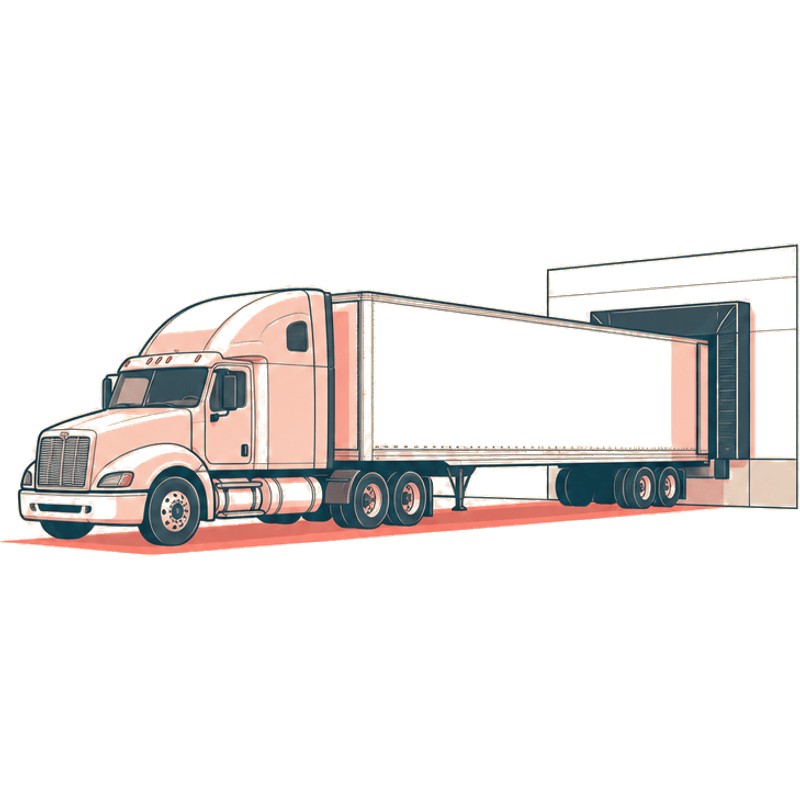
Trucking insurance. You make one call, We make the rest.
Your name on the door, authority inactive until an insurer files, and a broker who wants a certificate before the first load. We know this work, which insurers want it, and the certificate goes out the same day.
Tell us about your business.
What is Trucking insurance?
Coverage for a business that runs heavy equipment on public roads with other people's freight on the back. Auto liability covers the other car in a collision, and it is the policy the federal government requires filed before your authority is active. Motor truck cargo covers the freight in your trailer when it is damaged, stolen, or spoiled. Physical damage covers your tractor and trailer. Workers' compensation covers employee drivers, and occupational accident covers leased owner-operators. Brokers, shippers, and the federal filing all require proof before you move a load.
-
The truck on the road
Auto liability for the other vehicle and the people in it, with the federal filing made by the insurer so your authority activates.
-
The freight on the trailer
Motor truck cargo for the load in your care, written to what you actually haul, including reefer breakdown when you run refrigerated.
-
Your tractor and trailer
Physical damage for the equipment your business runs on, from a collision to a fire, written to its real value.
-
Your drivers
Workers' compensation for employee drivers, and occupational accident for owner-operators leased to you.
Who needs Trucking insurance?
-
Owner-operators with their own authority
One truck, your own filing, and brokers to satisfy.
-
Owner-operators leased to a fleet
Non-trucking liability and physical damage under someone else's authority.
-
Small fleets
A handful of trucks, employee drivers, and a shipper contract with its own limits.
-
Refrigerated, flatbed, and tanker haulers
Freight with its own cargo exposure and its own insurers.
-
Hotshot and local haulers
Pickups and medium-duty trucks running intrastate and regional loads.
New authority is its own class.
An insurer prices the first year of your own authority on its own terms, and most ask how long you have held it before anything else, because the rate drops as the authority ages. Tell us your authority date, your drivers' records, and what you haul, and we take the application to the insurers that actually write your stage of the business.
Why businesses like yours choose Harper.
-
We know how a new authority gets written
First-year authority, drivers' records, radius, and commodity are the four things every trucking insurer asks, and we present them the way the insurers that write new ventures want to see them.
-
The insurers that want trucking
Few standard companies do. We take your application to the specialty insurers that write owner-operators and small fleets, compared side by side.
-
Certificates and filings the same day
A broker should never hold a load waiting on paperwork. You call once, the certificate is in their inbox, and the federal filing is made by the insurer.
-
Room to grow
A second truck, a reefer, or your first employee driver extends your policy instead of restarting it.
Frequently asked questions
Why is my first year so expensive?
Insurers treat a new authority as an unknown until you have a year of clean history. We place you with the insurers that write new ventures and move you as the authority ages.
Do I need workers' comp if I am the only driver?
Usually not for yourself, but once you hire a driver most states require it, and some shippers require it regardless. Occupational accident is the common answer for leased owner-operators.
A broker wants a certificate before they tender the load. How fast?
The same day. Tell us the broker and their limits, and the certificate goes out with them named as they asked.
What does it cost?
How long you have held authority, your drivers' records, what you haul, your radius, and the value of your equipment are what drive the price. We take one application to every insurer that covers trucking, so the number you see already has competition in it.
Does cargo coverage cover a reefer breakdown?
Only if the policy says so. Reefer breakdown is usually an added coverage, and we make sure it is on the quote when you run refrigerated.
I am leased to a fleet. What do I actually need?
Usually non-trucking liability for when you are off dispatch, physical damage on your own truck, and occupational accident for yourself. The fleet's policy covers you under load, and we read the lease to confirm where it stops.
